
Green programs
shouldn’t put you
in the red.
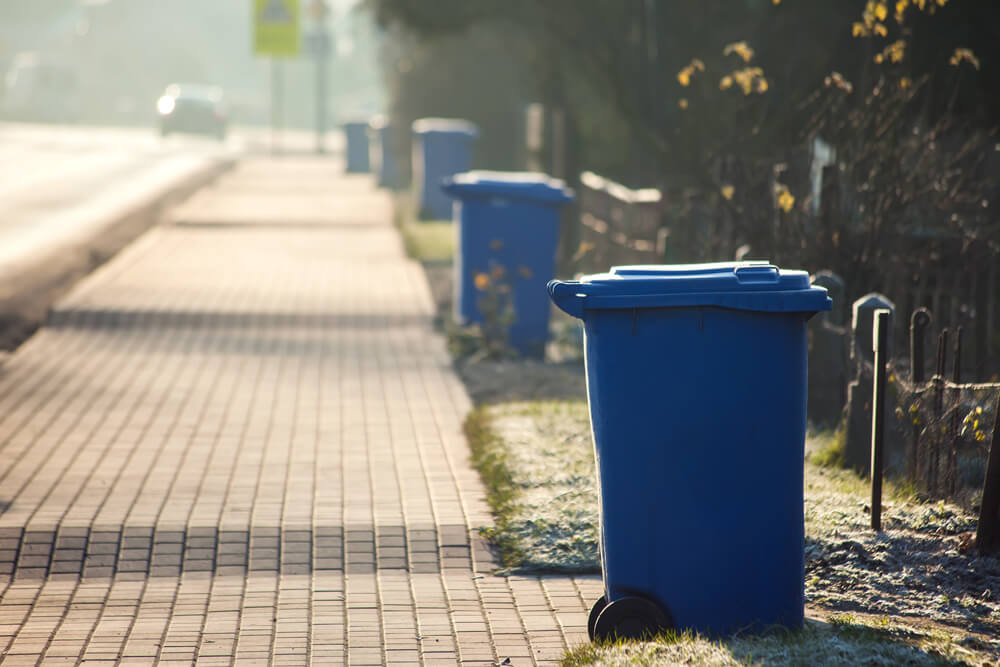
Washingtonians are diligent recyclers…
But some want to take advantage of our values of environmental stewardship. In the Washington legislature, a misguided bill pushes an outdated bottle return scheme that would make recycling more difficult and groceries more expensive for consumers. Instead of using their convenient curbside recycling bin, Washingtonians would have to collect and transport their bottles to a deposit center to avoid a 10-cent tax per bottle purchased. At a time when affordability is a top concern for all Washingtonians, a new regressive tax on common grocery items would only make things worse.
HB 1607 would make recycling…

MORE EXPENSIVE
Recycling in Washington is already affordable—just $8–$12 a month for curbside service, on average. But this bill will change that, slapping a regressive 10-cent tax on every beverage container and undermining our successful curbside recycling system with an archaic bottle deposit program that will increase affordability concerns in our state. Consumers will bear the burden as already high grocery bills include new regressive taxes on bottles that can only be avoided if they collect and store their bottles until they have time to transport them on their own to a deposit center. As a result, a 2025 national analysis found that the organizations who run bottle deposit centers kept almost $1 billion in unredeemed taxes on bottles in a single year.
LESS CONVENIENT
Washingtonians have a long and proud tradition of recycling. Our regulated curbside system makes the process easy and affordable for residents to continue this important tradition. This bill would add an additional burden to everyone, asking them to gather, store, and deliver bottles to inconvenient drop-off locations, while using curbside recycling for everything else.

LESS SAFE
Bottle deposit centers are being closed in Portland due to safety concerns and quality of life, with the program being criticized as a “sweet payday for their clients” organized by “corporate lobbyists.”

LESS MODERN
There are only 10 bottle deposit programs in the United States, and the average age of these programs is 47 years. With the exception of Hawaii (2002), no state has adopted this regressive tax on bottles since 1986 and no state with a statewide curbside recycling has ever adopted this old approach.
Build on what works,
keep recycling affordable
After decades of success in recycling and waste reduction, our state has the opportunity to go even further—protecting both our environment and our wallets. Following sweeping legislation adopted in 2025 that will change how we recycle in our state, we should focus on implementing those changes and support them with practical, common-sense, and bipartisan steps so that we can strengthen our leadership as a national recycling model.
❌ SAY NO to the HB 1607 Bottle Bill.
❌ SAY NO to regressive taxes on common grocery items.